Summer in Wood River arrives quickly and stays long enough to make an inefficient air conditioning system impossible to ignore. I have spent years working on residential and small commercial HVAC systems in the Riverbend, and the mistakes I still see are predictable, costly, and entirely avoidable. This piece lays out the common missteps homeowners make with AC repair in Wood River IL, explains why they matter, and gives clear, practical guidance you can act on today. I will also point out when a DIY approach is dangerous, when replacement is smarter than repair, and how to choose an HVAC contractor in Wood River who will actually save you money over the long run.
Why these mistakes matter AC failures do not happen on a convenient schedule. They show up during the hottest week of July, during a holiday or when someone at home is pregnant or elderly. A sloppy repair or poor choice of contractor compounds discomfort into lost work hours, damaged electronics from humidity, and in extreme cases medical risk. Beyond comfort, improper repairs accelerate wear, raise monthly bills, and can shorten equipment life by several years. I have seen midrange systems become trash in under five years after a single botched repair. That is repair cost plus replacement cost, plus the time and hassle of repeated service calls.
Mistake 1 — postponing preventive maintenance until the unit fails I encounter many homeowners who only call me after their condenser quits or their thermostat reads 90 degrees. Preventive maintenance is not an optional luxury. A proper spring tune-up catches refrigerant leaks, worn belts, weak capacitors, clogged drains, and failing contactors. Those are the small failures that blossom into compressor burnout or complete loss of cooling.
What to expect from a tune-up: a visual inspection of the outdoor unit, cleaning of the condenser coils if needed, measuring and topping refrigerant if a leak is found, tightening electrical connections, checking the capacitor and contactor, verifying airflow across the evaporator, and flushing the condensate drain. These steps typically take 45 to 90 minutes. In my experience, a well-tuned system uses 10 to 20 percent less energy during peak months, and may extend equipment life by several years.
When to schedule: spring, ideally April or May, before the heat wave hits. Waiting until June or July means busy schedules and often higher emergency rates.
Mistake 2 — attempting complex professional AC maintenance Wood River IL repairs without the right tools or training Replacing a blower motor, charging refrigerant, or diagnosing a start capacitor requires meters, gauges, and refrigerant handling certification. I once arrived at a house where a neighbor had "helped" by adding refrigerant from a can labeled R-22. The result was a confused pressure reading, a burned compressor three months later, and a large replacement bill that could have been avoided.
Trade-offs: You can clean filters or clear a clogged condensate line without certification, and those DIY tasks often solve common problems. But do not attempt to add refrigerant, work on high-voltage wiring, or replace sealed system components unless you are certified and equipped. The danger is not just cost. Mishandled refrigerant and electrical errors are safety hazards and can void manufacturer warranties.
Mistake 3 — falling for the lowest bid without vetting Price is important, but the lowest number on a contract often reflects corners cut. I have seen contractors quote a cheap compressor replacement using aftermarket parts with no warranty, or charge a phony flat fee and then bill tens of extra hours for "diagnostics."
How to evaluate a bid: ask for an itemized quote, check whether parts are OEM or aftermarket, confirm labor warranty length, and get references for local work. A reputable HVAC contractor in Wood River will provide a clear estimate, explain options, and be willing to show licensing and insurance. Expect to pay more for a contractor who offers a 1-year or better labor warranty and uses quality parts. That additional upfront investment often prevents repeat failures.
Mistake 4 — ignoring airflow problems and focusing only on refrigerant Clients frequently assume a system that blows warm air lacks refrigerant. Sometimes that is true, but often restricted airflow is the root cause. Dirty filters, blocked return grilles, undersized ductwork, or a failing blower can reduce heat exchange at the evaporator coil. When the coil cannot transfer heat, it can ice up, making the system perform worse and leading a technician to chase refrigerant issues that are secondary.
How I diagnose airflow issues: I check filter condition, measure static pressure across the system, inspect return pathways, and visually verify the evaporator coil. Many older homes in Wood River have return grills in rooms that get closed off, or filters in awkward locations where they are ignored. A simple change to a pleated filter and a return vent left open can restore 20 to 30 percent of lost capacity.
Mistake 5 — replacing only part of an old system A homeowner called me after their outdoor unit failed. The repairman who serviced them months earlier had replaced a compressor but used an incompatible metering device. The result was short cycling and poor performance. When a system is older than 10 to 15 years, replacing only the outdoor unit or only the indoor coil carries risk. Newer outdoor units are designed to match newer coils, and mismatch can reduce efficiency and cause premature failure.
When replacement is better: if a system is over 12 years old and the estimated repair exceeds 40 to 50 percent of the value of a new system, replacement is usually the wiser long-term choice. Modern equipment is more efficient, quieter, and, depending on size and SEER rating, can lower energy bills enough to offset some of the upfront cost over several years.
Mistake 6 — cheap thermostats and poor controls A thermostat is the brain of the system. A poorly installed or incompatible thermostat will cause short cycling, poor humidity control, and uneven comfort. I once removed a cheap programmable thermostat that had never been programmed properly and replaced it with a smart thermostat properly configured to a 7-day schedule. The homeowner reported a 6 percent reduction in monthly cooling costs simply because the setpoints were managed better and the compressor avoided unnecessary on-off cycles.
Considerations: ensure thermostat wiring matches the equipment type, and that your contractor sets swing and cycle delays correctly. For homes with variable-speed equipment, use controls that take full advantage of modulating capacity. The upfront cost of a better thermostat is modest relative to the comfort and long-term savings.
Mistake 7 — overlooking ductwork condition People often blame the outdoor unit when in fact leaky or undersized ducts lose conditioned air into crawl spaces or attics. I measured a Wood River bungalow where ducts lost 25 percent of conditioned air. Sealing and insulating those ducts produced a bigger comfort gain than replacing the outdoor unit would have.
Practical check: feel for drafts near common seams, inspect accessible ducts in attics or basements, and check supply registers for weak flow. Duct sealing and proper insulation are often lower-cost fixes with excellent returns.
Checklist before calling repair
- note the exact symptom, when it started, and any recent changes to the home check and replace filters if dirty before scheduling service locate model and serial numbers for the indoor and outdoor units record any unusual sounds or smells and whether the compressor starts and stops confirm access to the outdoor unit and clear at least 2 feet of space around it
How to pick a reliable HVAC contractor in Wood River Choosing the right technician is as important as picking the right equipment. Look for a company with clear local references, licensing, and insurance. Ask whether they perform diagnostic labor upfront or add that as a hidden fee. A trustworthy contractor will show you the failed components and explain the repair options, costs, and expected lifespan after repair. If the contractor is a local small business, you are more likely to get personal follow-up and accountability, which matters when warranty issues arise.
Why some branded offers are misleading Manufacturer promotions can be tempting, but watch for small print. Rebates often require specific forms and proof of purchase, and the installer may need certification from the manufacturer. If a contractor guarantees rebates, ask to see their installer certification and recent rebate examples. B & W Heating & Cooling, for example, is a name you may hear locally. Ask any contractor how they handle rebate paperwork, what parts they use, and how they protect against refrigerant mismatch or improper charging.
When is replacement the right call Replacing a compressor or the outdoor unit can be tempting when the cost of parts is less than a new system. However, replacement makes sense when the system is aged, efficiency is low, and multiple components have failed. If the system requires frequent service calls, pay attention to the rate of failures. Multiple repairs in a single season or a major failure combined with an aging furnace or duct system tip the scale toward replacement. For many homes, investing in a high-efficiency system with matched indoor and outdoor components, properly sized to the home's load, yields better comfort and lower operating costs.
Sizing matters more than marketing claims A common mistake I see is oversized systems. Bigger is not always better. An oversized AC will cool the air quickly but not run long enough to dehumidify properly, leaving rooms clammy and uncomfortable. Proper sizing requires a Manual J load calculation that considers insulation, window orientation, and occupancy. Ask your contractor to perform a Manual J and Manual D for ductwork. If they insist on a rule-of-thumb size estimate, get a second opinion.
Cost expectations and budget planning Repair costs vary. A capacitor or contactor replacement might run a few hundred dollars including labor. A compressor replacement can easily reach 40 to 60 percent of a new system cost depending on model compatibility and labor. Full system replacement for a typical Wood River single-family home often ranges, as of recent years, from mid $4,000s to the low $8,000s, depending on system efficiency and whether ductwork needs modification. These are rough ranges; always get itemized estimates and ask how long labor and parts are warranted.
Avoiding scams and upsells Scammers sometimes use pressure tactics: "we have an inspection discount for today only" or "your coil needs expensive treatment immediately." A reputable technician will explain risks, offer options, and allow time for a decision on noncritical items. If someone insists you must sign immediately, get a second opinion. Keep a simple rule: for any repair above the cost of a typical tune-up, ask for a written estimate, and if possible, seek a competitor's quote.
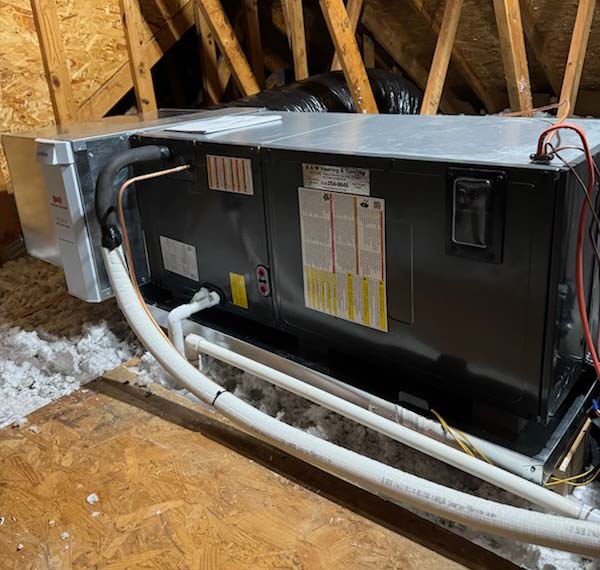
Real examples from Wood River jobs A young couple called me after repeated service visits for a system that cooled poorly. The previous tech had added refrigerant twice. I did a leak check, found a slow leak at a brazed joint in the indoor coil, and discovered the blower motor was running at reduced speed due to a failing capacitor. Fixing the blower and replacing the coil as part of a matched system solved the problem. The lesson: a single symptom can mask multiple failures, and chasing refrigerant alone was insufficient.
At another house with high electric bills, my inspection revealed dirty duct insulation in the attic, a sagging return line, and a condenser partially blocked by vines. After sealing ducts, reattaching the return, and clearing the condenser, the homeowner saw a 15 percent drop in monthly cooling charges without replacing major equipment.
Practical maintenance you can do now Change or check filters monthly during heavy use. Keep the area around the outdoor unit clear of plants and debris for good airflow. Trim vegetation to maintain at least 2 feet of clearance on all sides and 4 feet above. Clear the condensate drain with a cup of distilled white vinegar if it appears slow. These small actions prevent many service calls.
When to call a pro immediately If you smell burning plastic, see oil residue on lines, hear grinding noises from the blower, or the outdoor fan motor does not spin, power down the unit and call a certified technician. These signs often indicate electrical or mechanical failure that risks further damage or a fire hazard.
Final judgment calls Maintaining comfort and avoiding expensive, preventable mistakes requires a mix of simple homeowner actions and sensible use of professional services. Preventive maintenance pays for itself in many cases by avoiding emergency replacements during peak heat. When repairs are necessary, vet the contractor, ask about parts and labor warranties, confirm compatibility of components, and demand a Manual J sizing for replacements. AC maintenance in Wood River IL Replacement is sensible when age, repeated failures, or inefficiency make repair a short-term Band-Aid.
If you live in Wood River and need dependable service, look for a contractor who provides clear estimates, shows you failed parts, and offers fair warranty terms on both parts and labor. A thoughtful approach today prevents the July scramble, protects your family, and keeps your energy bills under control.
B & W Heating & Cooling
3925 Blackburn Rd, Edwardsville, IL 62025
(618) 254-0645
[email protected]
Website: https://www.bwheatcool.com/